


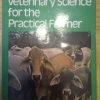



Veterinary Science for the Practical Farmer by L. R. Hurter, published in 1981 by Jonathan Ball, is a comprehensive guide aimed at providing practical and accessible veterinary knowledge to farmers. This book serves as an essential resource for those involved in the agricultural sector, particularly small-scale farmers who may not have immediate access to professional veterinary services.
The book is structured to cover a wide range of topics pertinent to the health and well-being of farm animals. It begins with fundamental principles of veterinary science, explaining basic anatomy and physiology, which helps farmers understand how their animals’ bodies function. This foundational knowledge is crucial for identifying when something is amiss.
Hurter’s book then delves into common diseases and ailments that affect various types of livestock, including cattle, sheep, goats, pigs, and poultry. Each section is meticulously detailed, providing descriptions of symptoms, causes, and preventive measures. The author emphasizes the importance of early detection and intervention, offering practical advice on how to manage and treat illnesses using methods that are feasible for the average farmer.
One of the standout features of this book is its focus on preventive care. Hurter advocates for regular health check-ups and vaccinations, proper nutrition, and maintaining a clean living environment for the animals. By doing so, farmers can prevent many common diseases and ensure their livestock remains healthy and productive.
The book is also rich with illustrations and diagrams, which aid in the understanding of more complex concepts and procedures. These visual aids are particularly useful for farmers who may be more hands-on learners. Additionally, the author includes real-life case studies and anecdotes that provide context and practical examples of how the veterinary principles discussed have been applied successfully in farming scenarios.
Another key aspect of “Veterinary Science for the Practical Farmer” is its accessibility. Hurter writes in a straightforward and engaging manner, avoiding overly technical jargon. This makes the book not only a valuable reference for seasoned farmers but also an educational tool for those new to farming or considering a career in agriculture.
In summary, L. R. Hurter’s “Veterinary Science for the Practical Farmer” is an invaluable resource that equips farmers with the knowledge and skills necessary to manage the health of their livestock effectively. Its comprehensive coverage of veterinary topics, combined with practical advice and clear illustrations, makes it a must-have guide for anyone involved in farming.


